Fast wrapping / Emballage rapide / تغليف سريع
GROSS! Gelli Baff Toy Challenge - Extreme Sour Candy - Giant Chupa Chups Lollipops - Shopkins
Toys Andme is a fun channel where i do Toy reviews and unboxing, Games and challenges.Trips and fun activities and more,i love kids YouTube Channels so i asked my dad too help me make my own! so guys can
you please LIKE-COMMENT-SUBSCRIBE to my channel and help Toys AndMe Grow❤️ TIANA
Les 3 choses à savoir sur l'argent gagné grâce à la publicité sur YouTube

Les 3 choses à savoir sur l'argent gagné grâce à la publicité sur YouTube :
1- YouTube te donne 55 % des revenus pubs
2- Le préroll vidéo t'apporte 80 % de tes revenus
3- Chaque vidéo te rapporte entre 0,50 € et 5 € les 1 000 vues
صنع فخ فعال بأدوات بدائية
Founding of Doctors Without Borders or MSF
Amid the Parisian upheavals of May 1968, a group of young doctors decided to go and help victims of wars and major disasters. This new brand of humanitarianism would reinvent the concept of emergency aid. They were to become Médecins Sans Frontières (MSF), known internationally in English as Doctors Without Borders.
After the revolt of May '68 burst onto their black and white TV screens, the French public soon saw other, more frightening images. For the first time, television broadcasted scenes of children dying from hunger in remote corners of the world.
In southern Nigeria, the province of Biafra had seceded. This minuscule territory was surrounded by the Nigerian army and the Biafran people were decimated by famine. The French Red Cross issued an appeal for volunteers.
Medics in Emergencies
For a number of years, Max Recamier and Pascal Greletty-Bosviel—volunteer doctors with the International Committee of the Red Cross (ICRC) in Geneva—had been regularly intervening in armed conflicts.
"Contrary to popular belief, the Red Cross is not a medical organization at all," says Max Recamier. "Pascal and myself were the only two doctors they knew because of our previous mission in Yemen, so they asked us to find some doctors for the ICRC. The first one to volunteer was Bernard Kouchner, who was much younger than I was; he was just finishing his studies and hadn't even finished his thesis yet, but he volunteered to go over there."
A team of six set off on the ICRC mission to Biafra: two doctors—Max Recamier and Bernard Kouchner—as well as two clinicians and two nurses. Being thrown into such a bloody conflict was a real shock for these fledgling doctors, who found themselves having to provide war surgery in hospitals that were regularly targeted by the Nigerian armed forces.
Witnesses
Recamier and Kouchner believed the world needed to know about the events they were witnessing: civilians being murdered and starved by blockading forces. They openly criticized the Nigerian government and the Red Cross for their seemingly complicit behavior.
In the following three years, other doctors began to speak up. These doctors, or "Biafrans," as they were known, began to lay the foundations for a new and questioning form of humanitarianism that would ignore political or religious boundaries, and prioritize the welfare of those suffering.
Fact:
Founders of MSF
• Dr. Jacques Beres
• Philippe Bernier
• Raymond Borel
• Dr. Jean Cabrol
• Dr. Marcel Delcourt
• Dr. Xavier Emmanuelli
• Dr. Pascal Greletty-Bosviel
• Gérard Illiouz
• Dr. Bernard Kouchner
• Dr. Gérard Pigeon
• Vladan Radoman
• Dr. Max Recamier
• Dr. Jean-Michel Wild
"A New Medicine"
In 1971, Raymond Borel and Philippe Bernier, journalists from the medical review Tonus, issued an appeal to establish a band of doctors to help people suffering in the midst and wake of major disasters.
The "Biafrans," who had been attempting to start an emergency medical response group themselves, jumped at the chance.
“In the back of our minds was the fact that we’d already done this and we wanted to do it again,” says Bernard Kouchner.
“We wanted to ensure sufficient knowledge of this new type of medicine: war surgery, triage medicine, public health, education, et cetera.
“It’s simple really: go where the patients are. It seems obvious, but at the time it was a revolutionary concept because borders got in the way. It’s no coincidence that we called it ‘Médecins Sans Frontières.’”
People First
MSF was officially created on December 22, 1971. At the time, 300 volunteers made up the organization: doctors, nurses, and other staff, including the 13 founding doctors and journalists.
MSF was created on the belief that all people have the right to medical care regardless of gender, race, religion, creed, or political affiliation, and that the needs of these people outweigh respect for national boundaries.
MSF's First Mission
MSF’s first mission was to the Nicaraguan capital, Managua, where an earthquake in 1972 had destroyed most of the city and killed between 10,000 and 30,000 people.
In 1974, MSF set up a relief mission to help the people of Honduras after Hurricane Fifi caused major flooding and killed thousands of people.
Then, in 1975, MSF established its first large-scale medical program during a refugee crisis, providing medical care for the waves of Cambodians seeking sanctuary from Pol Pot’s oppressive rule.
In these first missions, the weaknesses of MSF as a greenhorn humanitarian organization would become readily apparent: preparation was lacking, doctors were left unsupported, and supply chains were tangled. It became a turning point; the movement began to fracture.
Organized or Guerilla Doctors?
Claude Malhuret, MSF’s president from 1977–78, says: “There was a very real opposition between people who didn’t want things to become structured—who wanted to stay a small commando unit of emergency doctors—and others who wanted to get organized.”
“They didn’t want to become a sort of Red Cross, but nonetheless to be more organized than we were. Not just doctors pitching up with a few drugs in a plastic bag and not enough to work with.”
At the Annual General Assembly in 1979, MSF’s internal conflicts finally erupted. A vote was made on whether MSF should become more organized or remain a band of guerilla doctors. Eighty percent voted in favor of the former.
Bernard Kouchner and his "Biafran" counterparts resented the move and left MSF to found Médecins du Monde, or Doctors of the World.
Building MSF
From this point, the new "realist" leadership of MSF—spearheaded by Claude Malhuret and Rony Brauman—would help transform MSF into the professional organization it is today.
Since 1980, MSF has opened offices in 28 countries and employs more than 30,000 people across the world. Since its founding, MSF has treated over a hundred million patients—with 8.25 million outpatient consultations being carried out in 2014 alone. MSF has also maintained its institutional and financial independence, and the organization has continued to be critical of both itself and the broader aid system when appropriate, all in the name of trying to help direct more effective and timely aid to those who need it most.
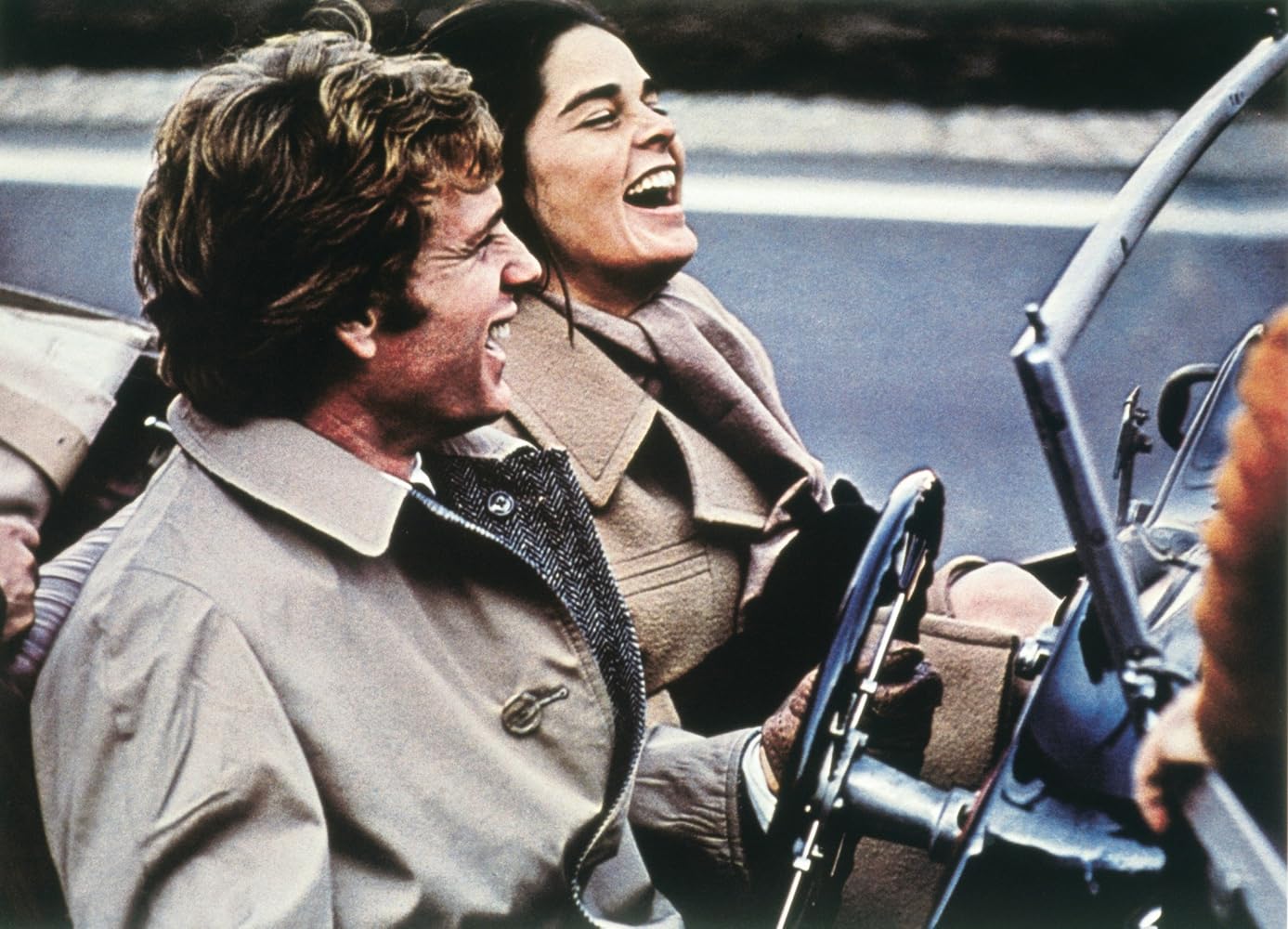
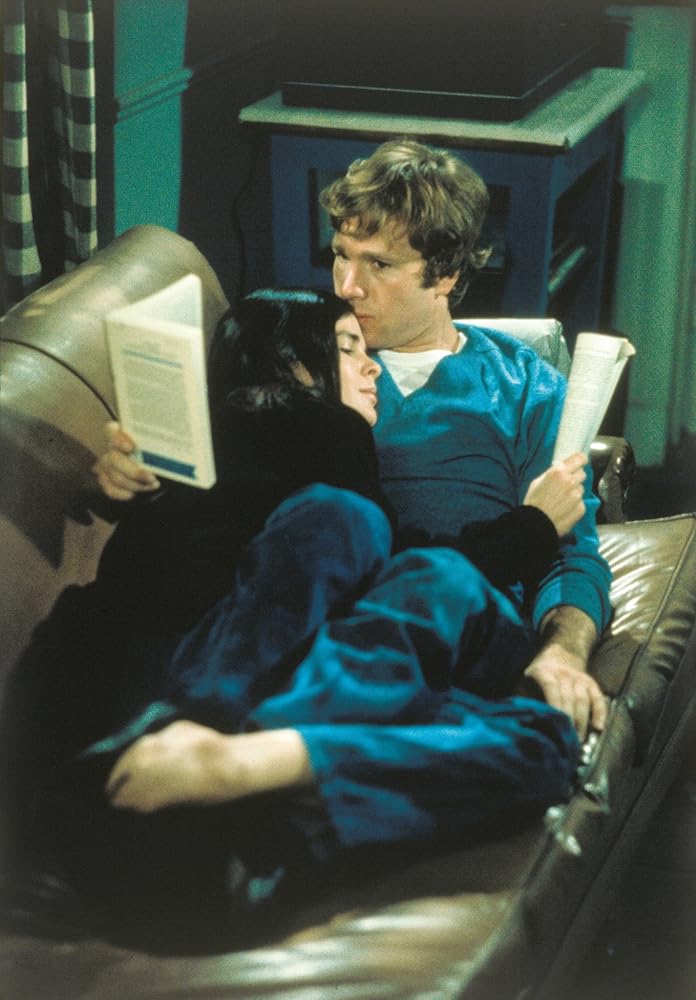
Love Story (1970)
A boy and a girl from different backgrounds fall in love regardless of their upbringing - and then tragedy strikes.
Storyline
http://adfoc.us/259735919285
Harvard Law student Oliver Barrett IV and music student Jennifer Cavilleri share a chemistry they cannot deny - and a love they cannot ignore. Despite their opposite backgrounds, the young couple put their hearts on the line for each other. When they marry, Oliver's wealthy father threatens to disown him. Jenny tries to reconcile the Barrett men, but to no avail. Oliver and Jenny continue to build their life together. Relying only on each other, they believe love can fix anything. But fate has other plans. Soon, what began as a brutally honest friendship becomes the love story of their lives.
فاجعة فيضان واد كشكاط
underwater world
Thousands mourn Morocco fishmonger crushed in rubbish truck
Thousands of Moroccans on Sunday attended the funeral of a fishmonger whose gruesome death in a rubbish truck crusher has caused outrage across the North African country, sources said.
Mouhcine Fikri, 31, was crushed to death on Friday in the truck in the northern city of Al-Hoceima as he reportedly tried to protest against a municipal worker seizing and destroying his wares.
An image of his inert body -- head and arm sticking out from under the lorry's crushing mechanism -- went viral on social media, sparking calls for protests nationwide including in the capital Rabat.
Footage online showed thousands of people following the yellow ambulance that carried Fikri's body through his home town in the ethnically Berber Rif region on Sunday.
The procession was led by a dozen drivers in their cars, including taxis, and marchers waving Berber flags.
Long neglected under the father of the current king, the Rif was at the heart of Morocco's protest movement for change in 2011.
"Criminals, assassins, terrorists!" some marchers shouted. "Rest, martyr Mouhcine. We will carry on the struggle!"
Another protester demanded a proper investigation into the incident to "find those who did it".
The exact circumstances of Fikri's death remain unclear.
But a human rights activist told AFP that the authorities forced the fishmonger to destroy several boxes of swordfish, whose fishing is banned.
"The goods were worth a lot of money," said Fassal Aoussar from the local branch of the Moroccan Association of Human Rights.
"The salesman threw himself in after his fish and was crushed by the machine," he said.
"The whole of the Rif is in shock and boiling over."
The interior ministry and prosecutors in Al-Hoceima have ordered an investigation into the incident.
King Mohammed VI has ordered a "thorough and exhaustive investigation" into the incident and the "prosecution of whoever is found responsible", an interior ministry statement said.
The king -- who was in Zanzibar on a tour of East Africa -- sent Interior Minister Mohammed Hassad to "present his condolences" to Fikri's family, it said.
It was the self-immolation of a street vendor in Tunisia in late 2010 in protest at police harassment that sparked Tunisia's revolution and the Arab Spring uprisings across the rest of the region the next year.
ten tips for a happier, healthier life
There’s no secret – the simplest things are often the best, says nutritionist Dr John Biffa, if we want to feel good all year round
17 July 2014} by Psychologies
1 Eat ‘prim ally’ Common sense dictates that the best diet is one based on foods we’ve been eating the longest in terms of our time on this planet. These are the foods that we’ve evolved to eat and are best adapted to. Studies show that a ‘primal’ diet made up of fruits, vegetables, nuts and seeds, as well as meat, fish and eggs, is best for weight control and improvement in risk markers for illnesses, such as heart disease and diabetes. This ‘go primal’ food philosophy will enable you to cut through the marketing hype and dietary misinformation, and allow you to make healthy food choices quickly and confidently.
2 Keep hydrated Water makes up two-thirds of the body and performs a plethora of functions, including acting as a solvent, carrier of nutrients, temperature regulator and body detoxifier. Maintaining hydration can have a profound influence on our vitality and energy levels, including mental alertness. Aim to drink enough water to keep your urine a pale yellow color throughout the course of the day.
3 Eat mindfully in our fast-paced world, there can be a tendency to eat while distracted and shovel in more food than we need and, at the same time, miss out on culinary pleasure. Many of us will benefit from eating mindfully. Some things to think about here are avoiding eating when distracted, eating more slowly, and taking time to taste food properly. One particular thing to focus on is chewing your food thoroughly – not only does this help us savor food, it also assists the digestive process.
4 Get plenty of sunlight in the summer… Sunlight, and the vitamin D this can make in the skin, is associated with a wide spectrum of benefits for the body including a reduced risk of several forms of cancer, heart disease, multiple sclerosis and osteoporosis, as well as improved immune function. As a rule of thumb, vitamin D is made when our shadow is shorter than our body length, i.e. when the sun is high in the sky. While burning is to be avoided, get as much sunlight exposure as possible for optimal health.
5… and in the winter Low levels of sunlight in the winter can cause our mood to darken. Even when it’s cold outside, it pays to get some external light exposure in the winter, say during lunchtime. Another option is to invest in a sunlight-simulating device and use this daily from October through to March.
6 Get enough sleep has the ability to optimize mental and physical energy, and optimal levels of sleep (about eight hours a night) are linked with reduced risk of chronic disease and improved longevity. One simple strategy that can help ensure you get optimal amounts of sleep is to go to bed earlier. Getting into bed by 10pm or 10.30pm is a potentially useful investment in terms of your short- and long-term health and wellbeing. Shutting down the computer or turning off the TV early in the evening is often all it takes to create the time and space for earlier sleep.
7 Walk regularly Aerobic exercise, including something as uncomplicated and low-impact as walking, is associated with a variety of benefits for the body and the brain, including a reduced risk of chronic diseases, anti-anxiety and mood-enhancing effects. Aim for a total of about 30 minutes of brisk walking every day.
8 Engage in some resistance exercise Resistance exercise helps to maintain muscle mass and strengthens the body. This has particular relevance as we age, as it reduces the risk of disability and falls. Many highly useful exercises can be done at home, such as press-ups, sit-ups and squats. Invest in a Dina-Band or dumbbells to extend your home routine to other exercises, too.
9 Practice random acts of kindness Random acts of kindness are good for givers and receivers alike. It could be a quick call or text to someone you care about or have lost touch with, or showing a fellow motorist some consideration, or giving up your seat on a train or bus, or buying someone lunch or giving a spontaneous bunch of flowers.
10 Practice the art of appreciation Modern-day living tends to be inspirational and we can easily find ourselves chasing an ever-growing list of goals, many of which can be material. Some of us could do with spending more time focusing not on what we don’t have, but on what we do. Our mood can be lifted by giving thanks for anything from our friends and family to a beautiful landscape or sunset. For holistic health and wellbeing information.
أغلى نخلة عبر التاريخ بيعت أيام الصحابة
Trump, Clinton trade caustic barbs as roast turns bitter
STUNG by a TARANTULA HAWK!
الاشتراك في:
الرسائل (Atom)
المشاركات الشائعة
-
اصطياد نوع غير معروف من سمك أسيغاغ أو الفرخ
-
Trump, Clinton trade caustic barbs as roast turns bitter
-
أغلى نخلة عبر التاريخ بيعت أيام الصحابة
-
FORLIFE SHOP شريط توضيحي لكيفية تحويل مبلغ الحصص الى كوفريات
-
Les 3 choses à savoir sur l'argent gagné grâce à la publicité sur YouTube
-
Amazing Cashback site
-
underwater world
-
صيد الأرانب بمساعدة النمس أو بن مقرض
-
Huge diamond
-
Fast wrapping / Emballage rapide / تغليف سريع
يتم التشغيل بواسطة Blogger.


0 التعليقات: